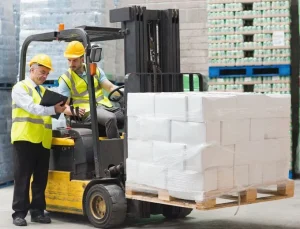
Forklifts are essential pieces of equipment in warehouses, construction sites, distribution centres, and other industrial settings. These powerful machines are designed to lift, move, and stack heavy loads, making them indispensable for handling materials efficiently and safely. However, not all forklifts are created equal. Different types of forklifts are suited for different applications, environments, and load types.
Whether you are buying, renting, or simply looking to expand your knowledge, understanding the various types of forklifts and their specific uses can help you choose the right one for your needs. In this guide, we will explore the most common forklift types, their features, and how each one is used in different industries.
1. Counterbalance Forklifts
Overview:
Counterbalance forklifts are the most widely used forklift type. They are called “counterbalance” because they are designed with a counterweight at the rear of the machine to balance the load at the front. This balance allows the forklift to lift heavy loads without tipping over.
Features:
- Weight distribution: The counterweight at the rear ensures that the forklift stays balanced.
- Load capacity: They typically have a lifting capacity of up to 5,000 kg or more.
- Maneuverability: Suitable for tight spaces due to their compact design.
- Power source: Can be powered by electric batteries, diesel, or LPG (liquid petroleum gas).
Uses:
- Warehouses and distribution centres: Counterbalance forklifts are ideal for moving goods around large warehouses.
- Retail environments: They are used for unloading and stacking pallets in storage areas.
- Construction: In construction sites, they are often used to transport materials like bricks, timber, and metal sheets.
When to Use:
Choose a counterbalance forklift if you need versatility and the ability to move heavy loads over short distances in narrow aisles.
3. Pallet Jacks (Manual and Electric)
Overview:
Pallet jacks, also known as pallet trucks, are smaller, more compact forklifts designed to lift and move pallets. There are manual and electric versions, with the electric model making it easier to move heavy loads over longer distances without manual effort.
Features:
- Compact size: They are small enough to fit into tight spaces and narrow aisles.
- Manual or electric: Manual pallet jacks are operated by hand, while electric models are powered by batteries.
- Low lift height: Typically, pallet jacks lift loads just a few inches off the ground.
Uses:
- Retail and warehouses: Often used for short-distance movements, such as unloading and stacking pallets.
- Supermarkets: Pallet jacks are often used for stocking shelves with palletised goods.
When to Use:
Opt for a pallet jack when you need to move pallets of goods across short distances within a warehouse, particularly in places with limited space.ppealing for small to medium-sized businesses or companies managing tight budgets.
4. Order Pickers

Overview:
Order pickers are designed for high-level picking in warehouses. They allow the operator to lift themselves along with the forks to reach specific items in shelving systems. These forklifts are used in operations where picking items directly from shelves is necessary.
Features:
- Operator platform: The platform rises with the forks, allowing the operator to pick items at height.
- High reach: They can reach shelves at high levels, typically up to 12 metres.
- Electric power: Usually powered by high-quality forklift batteries for smoother, quieter operation.
Uses:
- Order picking: Ideal for picking specific items from shelves in warehouses and distribution centres.
- Inventory management: Used in high-shelf environments where goods are stored in high vertical racks.
When to Use:
Order pickers are perfect for environments where operators need to pick individual items from high storage shelves, making them ideal for e-commerce, retail, and inventory-based operations.
5. Rough Terrain Forklifts
Overview:
Rough terrain forklifts are designed for off-road use and are commonly used in construction and industrial environments where a standard forklift would struggle. These forklifts feature large, heavy-duty tyres to handle uneven, rough ground.
Features:
- Heavy-duty wheels: Equipped with large pneumatic tyres to handle rough, unpaved surfaces.
- High ground clearance: Allows them to navigate rough terrain.
- Four-wheel drive: Provides better mobility on uneven ground.
- Diesel or LPG power: Powered by diesel engines to support heavy lifting and off-road operations.
Uses:
- Construction sites: Used to move materials in and around building sites, especially in outdoor or unpaved areas.
- Landscaping: Used for landscaping tasks in rural or undeveloped areas.
When to Use:
Choose a rough terrain forklift when working on construction or agricultural sites, where you need to navigate uneven or challenging terrain.
6. Telehandlers (Telescopic Forklifts)

Overview:
Telehandlers, also known as telescopic forklifts, have a telescoping boom that extends, allowing them to reach higher and farther than standard forklifts. These machines are versatile and can be used for lifting heavy loads over long distances.
Features:
- Telescoping boom: The boom extends to reach up to 18 metres, making it suitable for high and distant loads.
- Four-wheel drive: Offers enhanced mobility on uneven surfaces.
- Multi-functionality: Often used with different attachments such as buckets, pallet forks, and lifting hooks.
Uses:
- Construction: Ideal for lifting heavy materials onto high scaffolds or rooftops.
- Agriculture: Used in farms for handling bales of hay, pallets, and other bulk materials.
When to Use:
Telehandlers are perfect for construction and agricultural environments, where both height and reach are needed for moving heavy materials.
7. Side Loader Forklifts
Overview:
Side loader forklifts are used to transport long, bulky loads that need to be moved sideways. Unlike standard forklifts, which lift from the front, side loaders lift materials from the side, making them ideal for specific applications like timber or pipe handling.
Features:
- Side-loading: Forks are positioned on the side of the forklift.
- Ideal for long loads: Perfect for moving long and bulky items like timber, pipes, and steel.
- Capacity: Can lift up to 7,000 kg, depending on the model.
Uses:
- Timber yards: Used for moving large planks of wood or other long materials.
- Warehouses: Perfect for managing long loads that need to be stored efficiently.
When to Use:
Side loaders are perfect for businesses handling large, long, or bulky items such as timber, pipes, or steel products..
Conclusion
Choosing the right forklift for your business depends on the types of loads you handle, the environment you work in, and the specific tasks you need to perform. Whether you’re in construction, warehousing, agriculture, or retail, each forklift type has unique features designed to increase your productivity, safety, and operational efficiency.
For businesses in Melbourne looking to enhance their material handling capacity, Warragul Forklifts offers a wide range of forklift options. From electric forklifts for indoor use to rough terrain forklifts for outdoor construction sites, there is a forklift designed to suit your specific needs.